Sustainable Solutions: How E-Waste Recycling Services Are Saving Our Planet
Electronic waste presents serious dangers to the environment, as disposed electronics frequently harbor hazardous substances. These hazardous substances can contaminate soil and water, resulting in widespread environmental harm. E-waste recycling services present a viable solution. They serve the dual purpose of reclaiming precious materials and reducing contamination. Gaining insight into how these programs function and affect local communities is critical. Pursuing efficient e-waste management brings forth pressing questions regarding individual duties and shared responsibility. What measures can be pursued from this point onward?
Why E-Waste Is Bad for the Planet
While technological advancements improve our daily lives, electronic waste presents significant environmental threats. Abandoned electronic gadgets, commonly laden with dangerous compounds like cadmium, lead, and mercury, are capable of seeping pollutants into groundwater and soil, presenting dangers to ecosystems and human health. The swift progression of technology leads to higher rates of electronics disposal among consumers, exacerbating the accumulation of electronic waste.
Landfills, already burdened with waste, struggle to accommodate the growing volumes of discarded gadgets. Incineration, a common waste management technique, emits dangerous pollutants into the environment, degrading atmospheric conditions. In addition, improper recycling practices can lead to the exportation of e-waste to developing countries, where laborers may dismantle devices without adequate safety measures, exposing themselves to dangerous substances. This pattern of negligence and mismanagement highlights the critical demand for eco-friendly recycling alternatives that can reduce the damaging impact of electronic waste on the environment.
What Is E-Waste and Why Is It Important?
Electronic waste, commonly known as e-waste, comprises discarded electronic devices like televisions, computers, and smartphones that have reached the end of their useful life. This rapidly expanding waste category is noteworthy because of its swift buildup, propelled by advances in technology and evolving consumer behaviors. As more devices become obsolete, the toll on the environment grows more severe, with toxic materials such as lead, mercury, and cadmium presenting serious hazards to the environment and human well-being.
Addressing e-waste is crucial not only for reducing these dangers but also for acknowledging the precious materials found within it. Precious metals and rare earth elements can be recovered and reused, reducing the need for mining and conserving natural resources. By understanding e-waste and its implications, individuals and organizations can make informed decisions about disposal and recycling, ultimately contributing to a more sustainable future. Effective handling of e-waste is vital for encouraging a circular economy and advancing environmental responsibility.
The Way E-Waste Recycling Functions
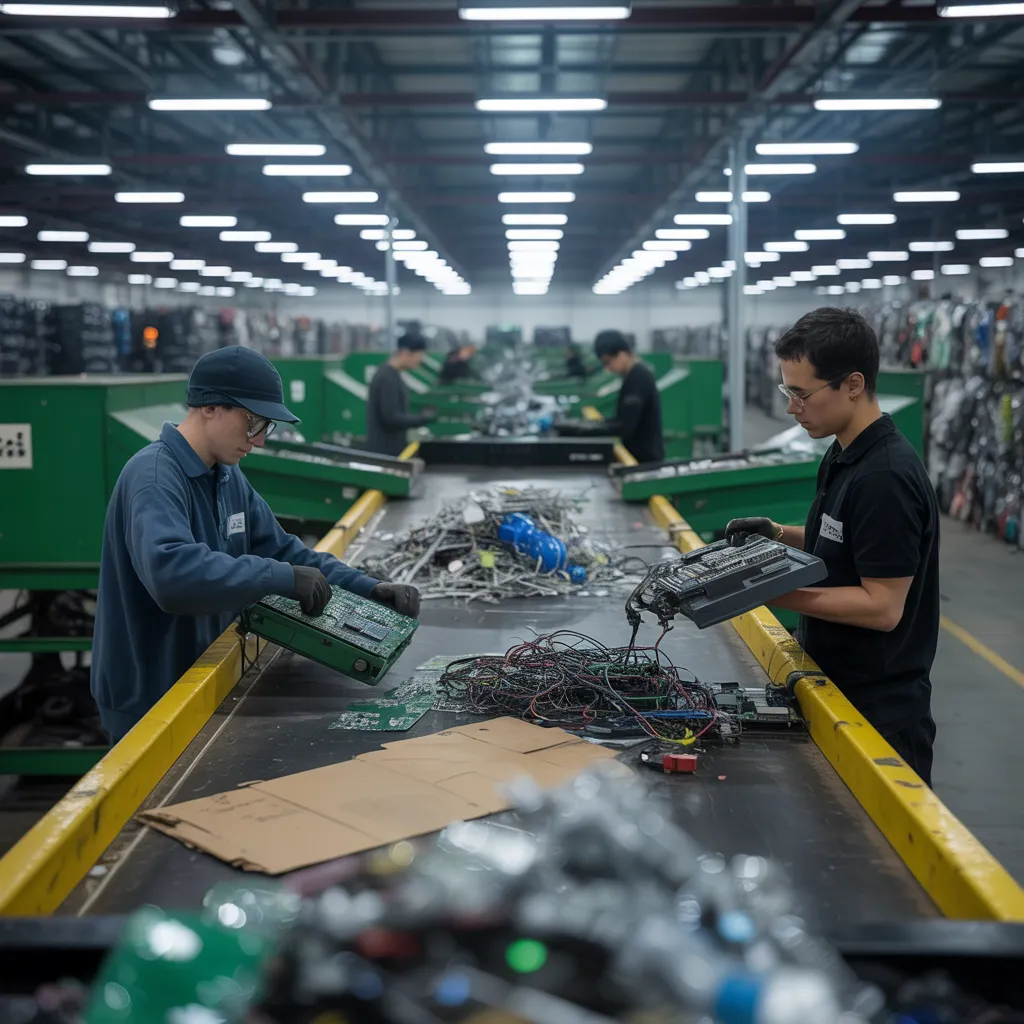
The recycling of e-waste encompasses a structured approach intended to extract beneficial components while minimizing environmental impact. To begin, e-waste is collected and transported to purpose-built recycling plants. Once there, the electronics are carefully categorized to isolate dangerous parts from recoverable materials.
Next, specialists dismantle the electronics, separating glass, metals, and plastics. This phase is essential, as it makes possible the recovery of high-value metals like copper, gold, and silver, which can be reused in modern electronics.
Next, the isolated materials are handled with state-of-the-art techniques, such as mechanical shredding and chemical processing, to prepare them for further use.
Finally, the leftover hazardous waste is handled with responsibility, following environmental guidelines. This multi-step approach not only conserves resources but also minimizes the hazards connected to irresponsible electronic waste disposal, securing a more eco-conscious future for electronic device usage.
Why E-Waste Recycling Matters for You and Your Community
Although it often goes unnoticed, the positive effects of e-waste recycling extend beyond personal convenience to positively impact entire communities. By properly recycling electronic waste, individuals help foster a healthier environment, reducing toxic components that can seep into soil and water. This forward-thinking practice works to protect local ecosystems and advances public health.
Moreover, e-waste recycling promotes job creation within communities. Community recycling operations commonly require workers for various operations, from collection to processing, thus generating valuable job opportunities for community members. This not only boosts the local economy but also fosters community involvement in eco-friendly practices.
Additionally, awareness of e-waste recycling is capable of inspiring educational initiatives, empowering residents to make environmentally conscious decisions. By participating in e-waste recycling programs, individuals cultivate a culture of sustainability, inspiring others to do the same. All things considered, the shared impact of these actions can result in a more strong and environmentally aware community.
How to Choose an E-Waste Recycling Service
Picking the most suitable e-waste recycling service is crucial for making sure that electronic refuse is handled with responsibility and sustainability. First, people should check the service's accreditations, such as e-Stewards or R2, which signify conformance to industry standards for safe recycling practices. It is equally important to assess the organization's credibility by reading customer reviews and obtaining advice from dependable sources.
Next, openness in the recycling process is crucial. A trustworthy company should provide clear information about the manner in which e-waste is managed and how the materials are utilized. Furthermore, considering the scope of services provided can prove valuable; certain providers may offer collection services or present rewards for recycling.
Finally, understanding regional rules concerning e-waste disposal may further shape the decision-making process. By prioritizing these factors, people are able to support successful electronic waste reduction while supporting Browse all environmentally responsible practices.
How You Can Take Part in E-Waste Recycling?
Participating in e-waste recycling may begin at the local level, where community recycling hubs often provide essential services for safe disposal. Additionally, joining community awareness campaigns can strengthen efforts to inform others regarding the importance of responsible e-waste management. Such efforts not only encourage sustainable practices but also foster a collective sense of stewardship of the environment.
Local Recycling Centers
Several community recycling facilities serve a vital function in electronic waste recycling, providing communities with accessible options to dispose of electronic waste responsibly. These centers accept a range of electronic items, including aging computers, cell phones, and television sets, guaranteeing that dangerous substances are processed safely. Most stations have qualified professionals who are able to assist individuals with correct disposal techniques, underscoring the benefits of recycling compared to landfilling. Additionally, several stations organize organized drop-off opportunities or appointed collection periods, making it easy for residents to participate. By utilizing these local services, residents support a circular economy, decreasing environmental damage and advancing sustainable approaches. Partnering with these facilities empowers communities to take action against e-waste pollution effectively.
Community Awareness Campaigns
Nearby organizations, schools, and enterprises can partner to arrange initiatives that encourage e-waste collection drives. Volunteers can play a pivotal role in spreading awareness, distributing educational materials, and engaging with the community. As a result of these combined actions, residents become more informed and motivated to recycle their electronic waste, thus playing a meaningful role in creating a more environmentally responsible future.
Answers to Your Most Common Questions
What Electronic Devices Are Eligible for Recycling?
Various electronics may be recycled, including smartphones, computers, laptops, televisions, printers, and gaming consoles. Additionally, peripherals such as mice, keyboards, and batteries are also suitable for recycling, contributing to environmental conservation efforts.
Are There Fees Involved With E-Waste Recycling?
That's correct, electronic waste recycling can include charges, based on the service provider. Some facilities charge fees for gathering or treatment, while others provide no-cost solutions, frequently supported by the sale of reclaimed components.
How Do Businesses Gain From E-Waste Recycling?
Businesses can benefit from e-waste recycling by reducing disposal costs, enhancing their environmental image, meeting compliance standards, recovering valuable materials, and potentially generating revenue through resale, thereby fostering a more environmentally responsible business approach.
What Happens to Data on Recycled Devices?
Data regarding repurposed equipment is commonly permanently erased or destroyed throughout the recycling process. This confirms private details stays protected, blocking unwanted intrusion while enabling materials to be recycled safely and responsibly across new manufacturing processes.
Is It Possible to Recycle Damaged Electronics?
Yes, defective electronics may be recycled. Many recycling centers accept non-functioning devices, guaranteeing responsible disposal and extraction of valuable materials. Doing so helps lower the environmental footprint while fostering eco-friendly recycling methods to address electrical waste responsibly.